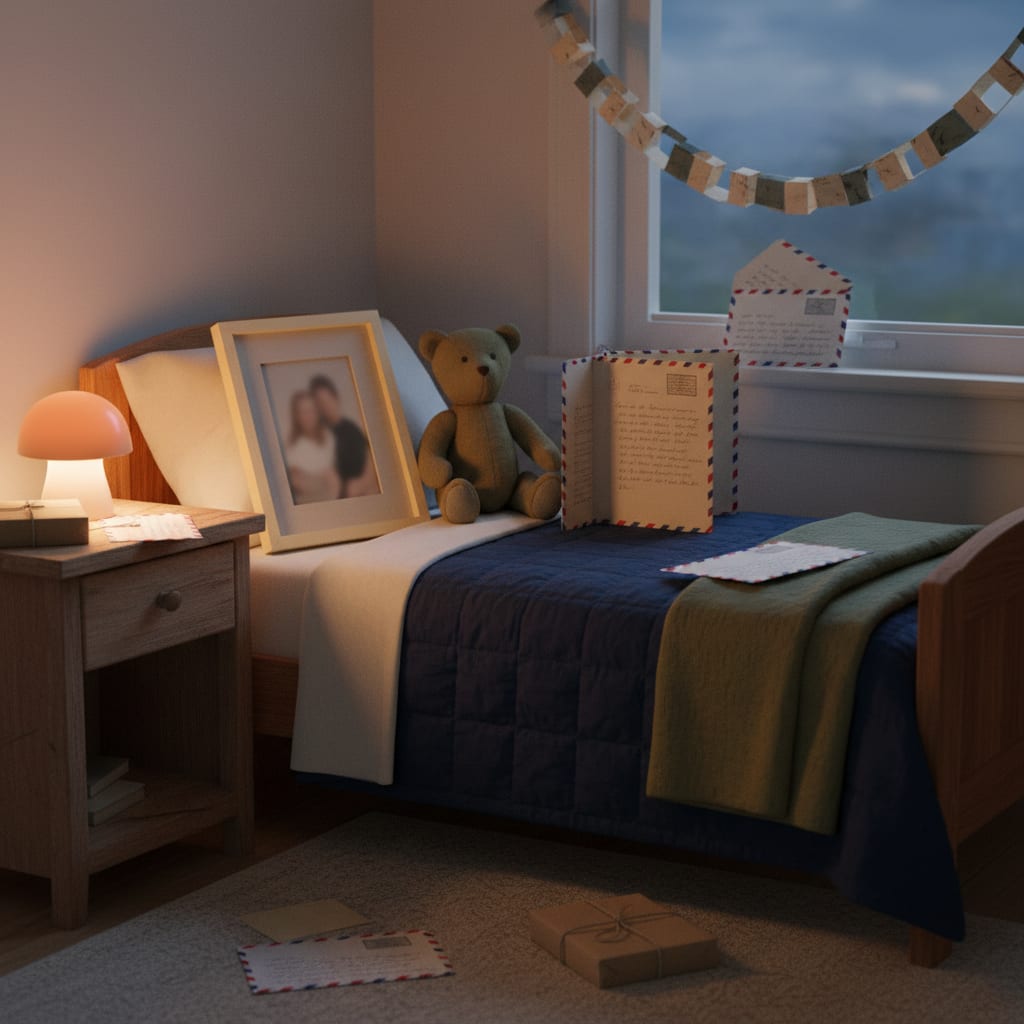
The Military Extended Family: Build Your Support Network
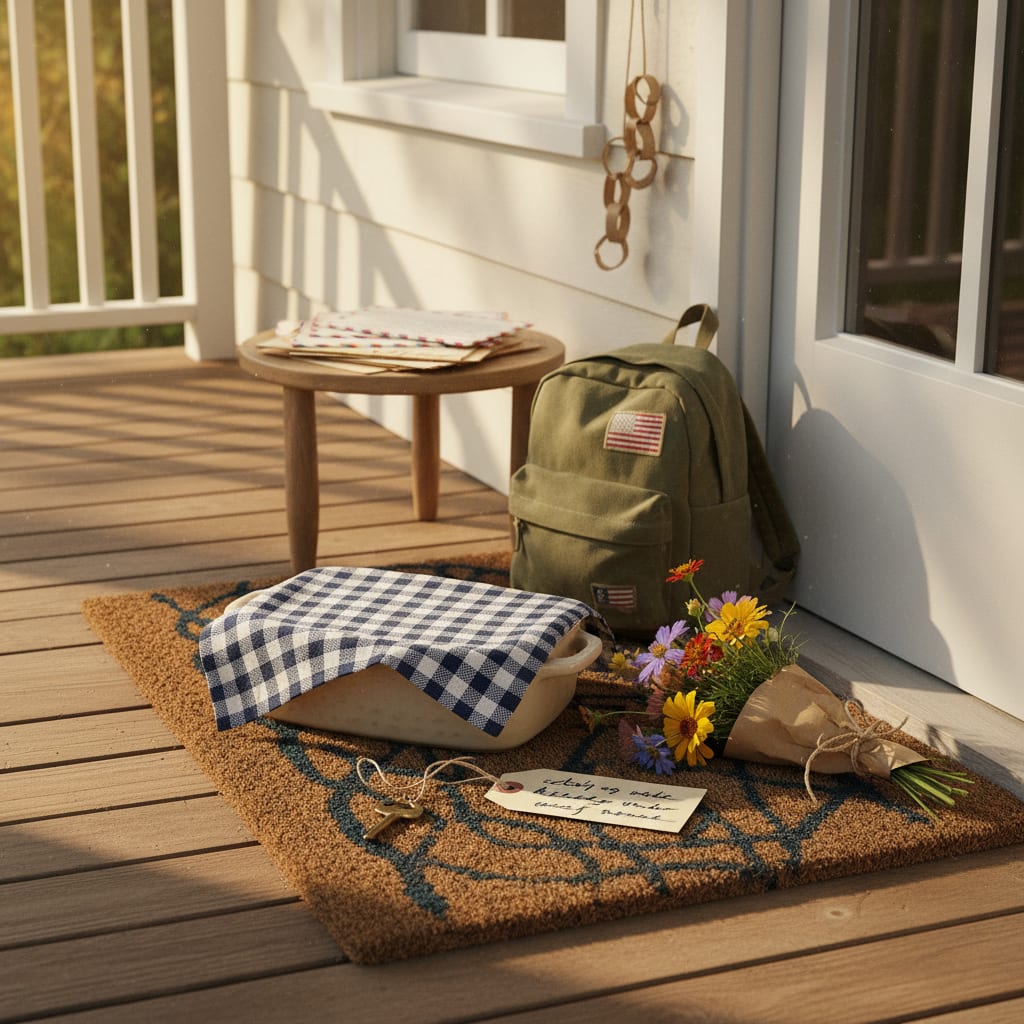
A military extended family is the network you build on purpose — grandparents, neighbors, unit families, one or two friends with a key to your house — organized before the deployment, not during it. The working rule: you need one name for each kind of emergency (kid, car, house, morale), and the network only counts if the people in it have already done something, because a contact list is not a support system until it’s been exercised. The original 2014 post at this address argued that military families run on this invisible second family. It was right then. Here’s the restored, practical version.
The village is a system, not a sentiment
“It takes a village” gets said at military spouses like a consolation prize. Ignore the sentiment and build the system. A working extended family answers four questions with actual names: Who takes the kids on two hours’ notice? Who do I call when the car dies at daycare pickup? Who has a key and can meet the plumber? Who notices when the at-home parent has gone quiet? Write the names down. Where a question has no name, that’s not a sad fact — it’s this month’s tasking. And note the fourth question is about you, the adult; the network exists as much for the parent holding the fort as for the kids. Solo-parenting stretches run on infrastructure, a lesson learned the loud way in my temporary stay-at-home dad stint.
Ring one: family by blood, made useful
Grandparents and siblings love your kids from three states away, which is lovely and logistically worthless until you shape it.
- Give long-distance family a specific job. “Support” is vague; “you’re the Tuesday video-call with the four-year-old” is real. Grandparents with a standing slot in the routine become part of the kids’ weekly architecture instead of occasional guests.
- Schedule the cavalry deliberately. If family can visit during a deployment, aim them at week three or four — after the casserole wave recedes and before the long middle sets in. A visit during the goodbye week itself often adds chaos to the exact days you’re trying to stabilize; the goodbye day runs best on a short crew.
- Brief them on the rules. Visiting family who freelance the bedtime routine cost you two weeks of sleep progress in three nights. Loving and briefed beats loving and improvising.
Ring two: the unit and installation
The military ships with community infrastructure most neighborhoods would kill for — but every bit of it works better joined early.
- The unit’s family network. Every branch runs some version of a family readiness organization (names and formats vary by service and change periodically — check what your unit currently calls it). Show up once before the deployment so the faces know you; dads are often the only dad in the room, which is a reason to go, not to skip.
- The installation’s family-support center. Deployment-readiness programs, new-parent support, emergency assistance — offerings vary by branch and base, so ask what exists rather than assuming. Military OneSource is the always-on version: free, remote, and staffed for exactly the “who do I even call” questions.
- The neighbor families. The family two doors down who’ve done four deployments are the real senior mentors. One porch conversation buys a decade of local knowledge, including which mechanic doesn’t upcharge and which gate line moves.
Ring three: the family you assemble
The deepest ring is the one with no org chart: the other deployment-cycle families who become your kids’ honorary cousins. Two build orders. First, accept help badly offered — “let me know if you need anything” is social wrapping paper; the move is to answer it with something real (“Thursday pickup, actually?”). People mean it more often than they get taken up on it, and accepting is what authorizes them to ask you later. Second, run reciprocity in peacetime: take someone’s kids on a Saturday before you ever need the reverse. The network is built out of favors exchanged when nobody’s desperate. For the kids, normalize the concept early — books where villages show up for military kids do quiet prep work here; several live on the books for military kids shelf.
Exercise the network before you need it
A support network, like any system, fails silently until tested. Before the next deployment: run one full trial (“can you actually take both kids Saturday?”), distribute the key plus the one-page house brief (bedtimes, allergies, vet, where the water shutoff is), and put the roster where the deployed parent can see it too — it is much easier to leave when you know the names on the depth chart. Then keep the network warm during the deployment with small honest updates; people can’t show up for a family that always reports “fine.” The bedtime roster in particular deserves a named backup — the solo bedtime run-book only works if someone else can fly it when you’re out with the flu.
FAQ: military extended family and support networks
We just PCS’d and know nobody. Where do we start?
Three moves in month one: introduce yourself to the two nearest neighbor families, show up at one installation family event, and get the kids into one recurring activity (story time, sports, playgroup — recurring is the key word). Networks grow from repetition, not from one big push.
How do I build a village if we live off-base?
Same architecture, civilian materials: neighbors, daycare and school parents, a faith community if that’s you, plus the unit’s family network for the military-specific layer. Off-base families should lean harder on Military OneSource and the family-support center, precisely because the ambient military village is thinner.
What do I actually say when asking someone to be an emergency contact?
Small, specific, reciprocal: “We’ve got a deployment coming. Could you be one of our two-hour-notice people for the kids? Happy to be yours anytime.” Most people are honored. The ask that fails is the vague one, because nobody knows what they just agreed to.
How do grandparents help from far away?
Standing video-call slots the kids can count on, mail the kids can hold (a postcard beats a text a four-year-old can’t read), being the at-home parent’s vent line, and — where budgets allow — funding the occasional babysitter or pizza night. Distance rules out hands; it doesn’t rule out structure.