Temporary Stay-at-Home Dad: Lessons From the Home Front
Here’s the fastest lesson a temporary stay-at-home dad learns: the house doesn’t run on effort, it runs on systems — and your spouse has been the system. If you’re a military dad stepping into the home seat between assignments, on terminal leave, or while your spouse takes her turn away, the playbook is short: keep the kids’ existing routine sacred for two weeks before changing anything, lower your non-kid standards on purpose, and treat the day like a watch rotation instead of a to-do list. The original 2011 version of this blog documented a Navy dad’s stint at exactly this. Day two humbled him. Day two will humble you. That’s the point.
Lesson one: you’re not babysitting, and you’re not visiting
The mindset shift has to happen before the skills do. A visitor helps with the kids; the duty parent is the schedule, the snack forecast, the sock-finder, and the emotional weather system. The difference shows up in the details nobody assigns you: knowing that the pediatrician appointment exists, that the red cup is currently unacceptable for reasons, that Thursday is show-and-tell. Household-management types call this the mental load, and you don’t understand it until you’re carrying it. Two days in, you will owe your spouse an apology of unspecified size. Deliver it.
Lesson two: run week one like a turnover, not a takeover
Every unit knows how a good turnover works: the outgoing person’s systems stay in place until the incoming person actually understands them. Same here.
- Keep their routine, not yours. Wake-ups, nap windows, snack times, bedtime order of operations — run it exactly as briefed for two weeks, even the parts that seem inefficient. Especially those; they’re usually load-bearing.
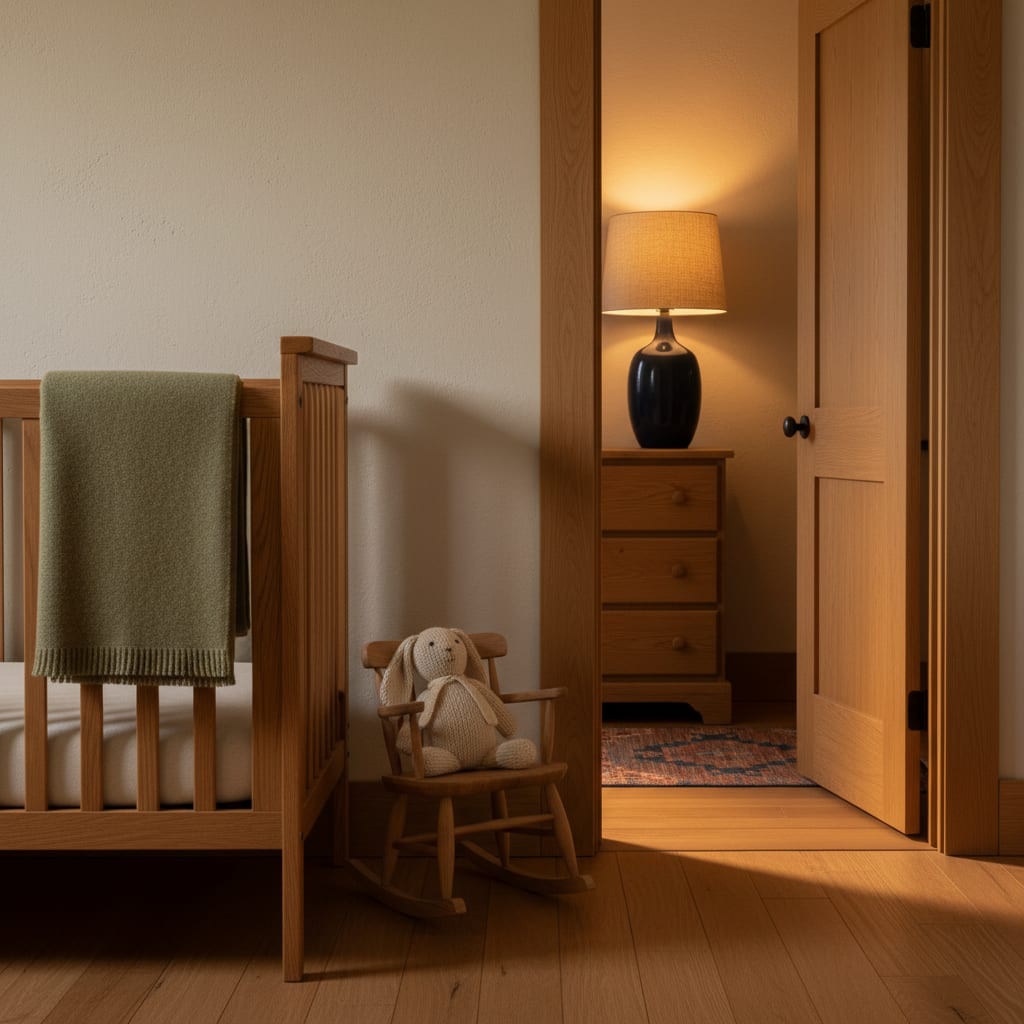
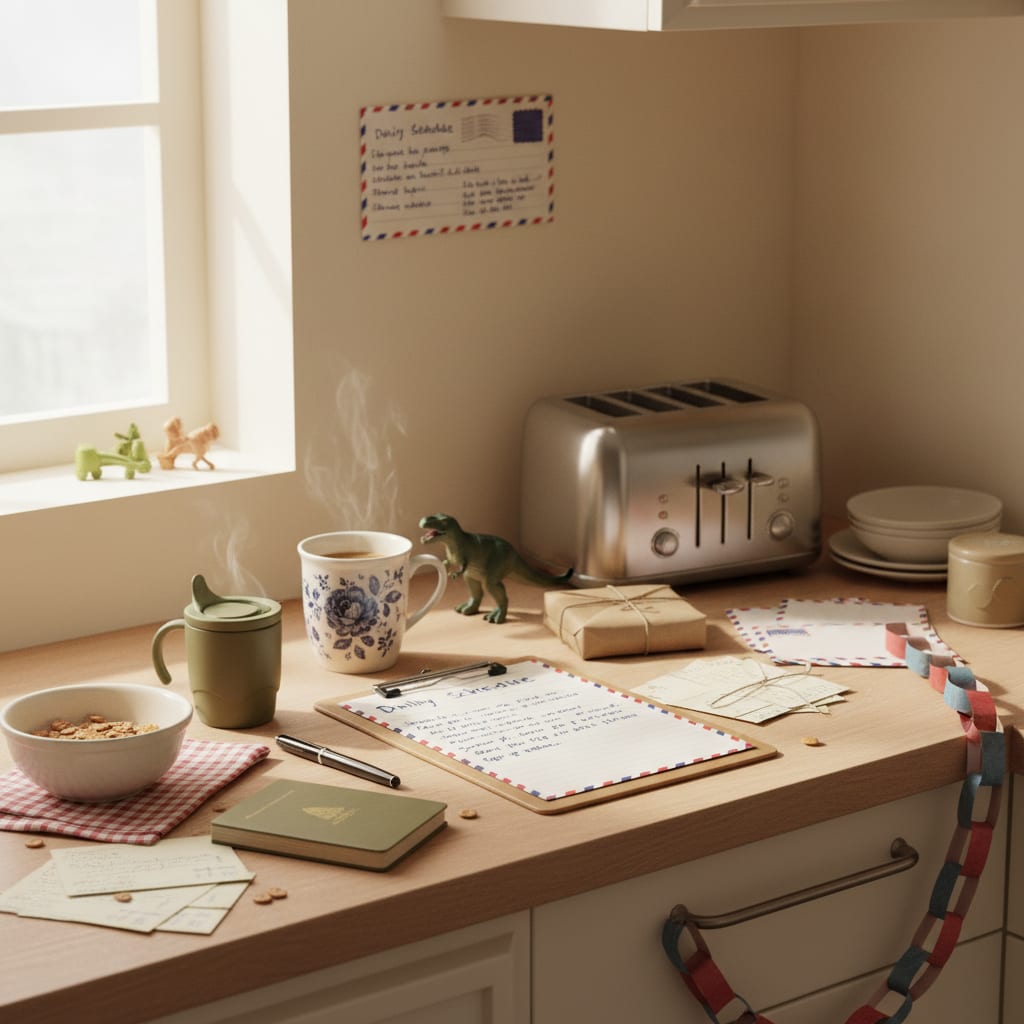
- Get the turnover file. Sit with your spouse before she leaves (or before you take over) and write the actual daily flow down, hour by hour, including the weird stuff. “Bear must be in the crib BEFORE the sleep sack goes on” is intelligence worth more than any parenting book.
- Change nothing big in week one. No new nap schedule, no potty-training pushes, no menu reforms. The kids just lost their default parent for the stretch; your job is continuity, not innovation.
The one system you should over-invest in immediately is the evening: a repeatable, boring, bulletproof bedtime. I wrote the full solo bedtime run-book separately, because bedtime is where solo parenting is won or lost.
Lesson three: lower the right standards
You cannot run the house at two people’s output. Something gives — choose what, on purpose, or the choice gets made for you at 9 p.m. amid unfolded laundry. Kid standards stay high: fed, slept, safe, read to, hugged. Everything else drops a grade without apology. Dinner can repeat weekly. The laundry system may become “clean mountain, folded never.” The house should be sanitary, not staged. I entered my first stint planning to exceed the standard on all fronts, an ambition that lasted roughly thirty hours — the historical record of this blog suggests that’s actually above average.
Lesson four: build the day around anchors, not ambitions
A day alone with small children is long in a way that has nothing to do with hours. The fix is anchors: fixed points the day snaps to regardless of chaos — breakfast, an outside block every morning (weather is a suggestion, not a rule), nap or quiet time (non-negotiable, that’s your reset), an afternoon outing even if it’s just the commissary, and the bedtime sequence. Between anchors, ambitions are optional. And hold one standing weekly ritual that makes you the fun infrastructure, not just the substitute teacher — ours is family movie night, pajamas mandatory, and it does more for morale than anything else on this list.
Lesson five: get out of the house or lose your mind
Isolation is the real opponent — the loneliness sneaks up on dads because we’re not socialized to name it. Playgrounds, base playgroups, story time, the gym childcare: go, even though you may be the only dad there, and yes, someone will cheerfully ask if you’re “giving Mom a day off.” Smile, say “this is my regular gig for a while,” and keep showing up; you stop being a novelty in about two weeks. If your installation runs new-parent or family-support programs, use them — offerings vary by branch and base, so check what’s current at your family-support center rather than assuming.
Lesson six: this is the good part, hidden in the hard part
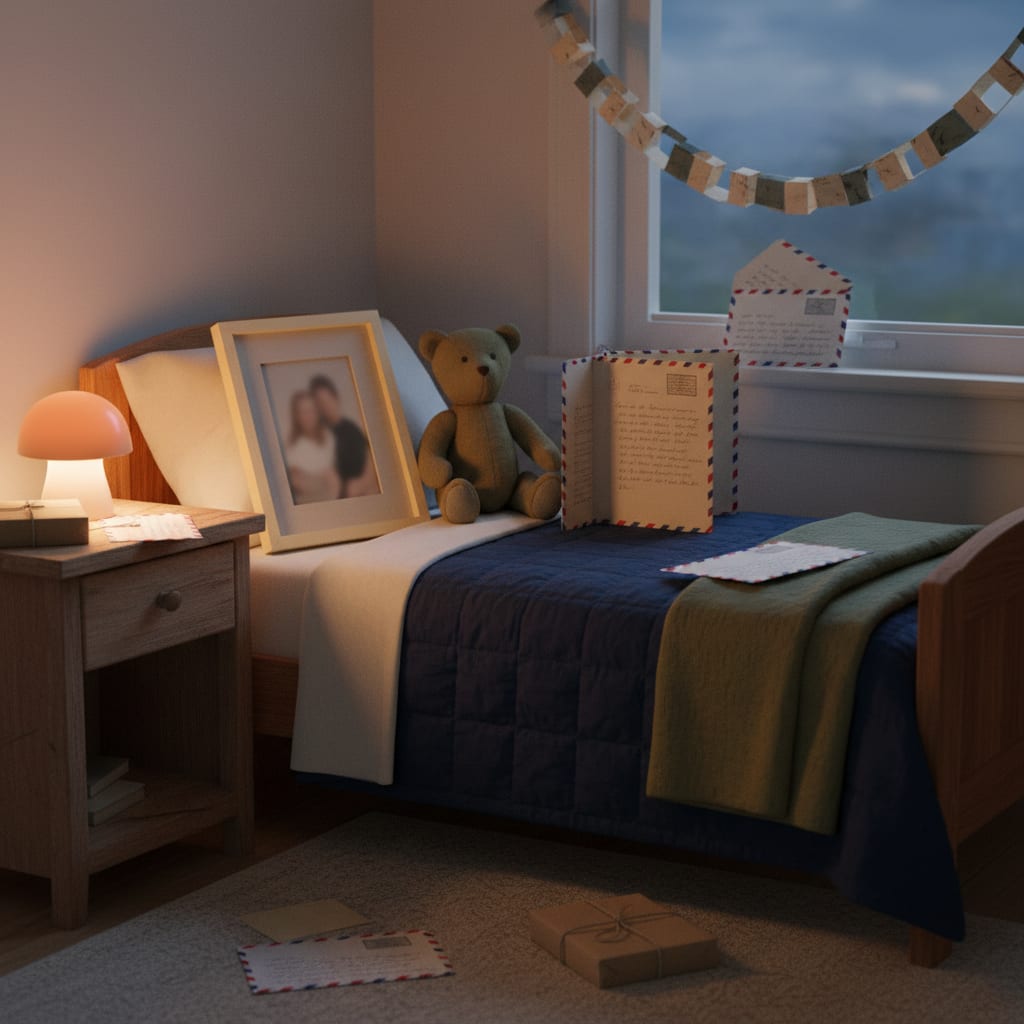
Somewhere in week two, between the applesauce incident and the nap strike, it lands: you now know your kids at a resolution the away-parent version of you never did. You know the difference between the tired cry and the hungry cry. You are the one they yell for. That fluency survives after the stint ends — and the whole experience quietly becomes one of the strongest cases for what military life gives your kids: a dad who has actually held the con at home.
FAQ: temporary stay-at-home dad life
How long does it take to find your footing?
Two to three weeks, for most of us: week one is survival, week two has systems, week three feels almost smooth. If week one feels like a mess, that’s not a verdict on you — it’s the standard entry fee.
Should I keep my spouse’s routines or build my own?
Keep hers for the first two weeks, without exception. After that, adjust details honestly — you’re the duty parent, and small tweaks that fit your running of the day are legitimate. The kids’ anchor points (meals, naps, bedtime order) should move last, if at all.
What’s the hardest part nobody warns you about?
The mental load — being the one who remembers everything, not just the one who does it — and the isolation. Handle the first with ruthless lists and a shared calendar, the second by leaving the house daily even when staying home is easier.
Does time as a stay-at-home dad change things after you go back?
Yes, permanently and for the better. You keep the fluency, the kids keep the deeper wiring to you, and you never again say “I watched the kids today.” You parented today. There’s no watching involved.