Deployment Welcome Home Ideas Kids Can Help Build
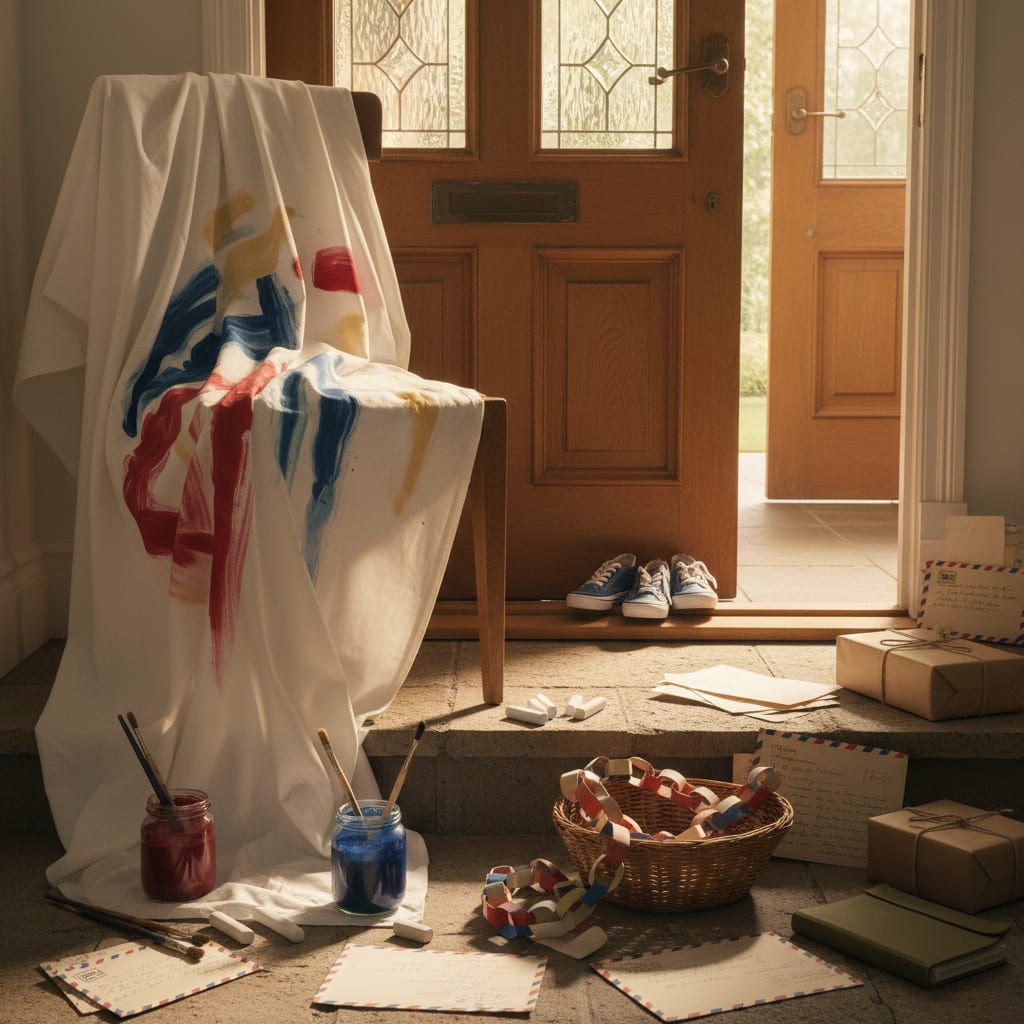
The best deployment welcome home ideas are kid-built, expectation-proofed, and small enough to survive a changed timeline: a hand-painted banner, the countdown chain’s final link torn as a ceremony, a favorite meal cooked for the first night home, and a first-hug plan each kid helped design. Homecoming day itself should be simple — signs, the hug, home — with the bigger celebrating spread over the following weeks, because the returning parent lands tired and the kids land overstimulated. Plan the day like a short mission with a long, gentle follow-on, and it’ll be the memory everyone hopes for.
The build-up: turning the last weeks into the fun part
The final stretch of a deployment is where the countdown you’ve been running pays out. Let the kids plan the finale: the last paper-chain link torn together, the empty kiss jar refilled with a note inside, the map-string airplane finally landing on home. Then start the production line — this is prime deployment activity season, with an actual deadline. Banner painting, window art, a “welcome home” path of chalk arrows up the driveway, the highlight-reel chain rolled up like a scroll to present. One steadying rule from a house that learned it: anchor everything to “when the plane lands” rather than a circled date, because homecoming timelines wobble right up to the end, and a banner keeps — disappointment doesn’t.
Welcome home signs and the day-of kit
Kid-made beats store-bought every time — a wobbly hand-painted sheet says more than vinyl ever will, and the making is half the value. Practical notes from the pier-and-hangar circuit: paint big and high-contrast so it reads at distance, use a bedsheet or foam board that can survive wind, add grommets or broom-handle sleeves so small arms don’t have to hold a sail for an hour, and bring painter’s tape as backup. Pack a day-of kit too: water, snacks, a full change of clothes per kid, and one quiet-time activity per hour you might wait — because you will wait, and “the timeline moved” is a sentence every military kid eventually learns to greet with a shrug and a granola bar.
Managing the moment: kid-sized expectations
This is the part the movies skip. Prep each kid for how the day might actually feel: crowds, waiting, a parent who looks a little different, and a hug that might feel big and strange after months of missing. Give each kid a first-moment plan they chose — the runner gets released for the sprint-hug, the shy one gets scooped second with no commentary, the baby gets handed over slowly or not at all that first hour. Warn everyone, gently, that some kids freeze or cling to the homefront parent at the big moment; it’s shyness wearing a surprise costume, not a verdict on anyone’s parenting or anyone’s love. Let the returning parent know the plan in advance so nobody’s improvising feelings at a hundred feet.
The first 48 hours: land slow
Keep the calendar almost empty. First night: the favorite meal (kids cook or choose), the rolled-up highlight chain presented, and — the underrated centerpiece — the returning parent back in the bedtime rotation at the kids’ pace, maybe as the celebrity guest reader before resuming full bedtime duties. Hold the routines steady even though it’s a special week; kids celebrate better from inside a predictable rhythm, and the returning parent re-enters easier when the rails are visible. If extended family is inbound for the occasion — and they will be — stage them a beat behind the immediate family and get the guest room squared away before the plane lands, not after.
Ideas worth skipping
A few homecoming staples earn a polite pass from this house. Surprise-reveal ambushes (parent hiding in a box, showing up mid-school-day unannounced) film well and land unpredictably — little kids can flip straight past joy into overwhelm, so if you want a school pickup moment, brief the kid that “someday soon it might be Dad” and let the surprise be when, not whether. Skip the giant same-day party — the guest of honor is running on fumes and airport pretzels. And skip perfection: the banner will smear, someone will melt down in the parking lot, and none of it will matter by dinner. The full reintegration arc — the weeks after the hug — is its own chapter of the deployment guide for dads.
FAQ: deployment welcome home ideas
What should kids make for a deployment homecoming?
The classics earn their status: a hand-painted banner or sheet sign, window art, chalk arrows up the driveway, and a presented artifact — the finished countdown chain, a scrapbook, or a rolled-up “everything you missed” scroll. Kid-made and imperfect is the entire charm; the making doubles as a way to burn off the last-week wiggles.
Should we throw a welcome home party right away?
Give it a week or two. The first days home are for sleep, family, and re-finding the rhythm — a returning parent meeting forty well-wishers on day two is running a reception on empty. A small gathering later usually lands better for everyone, kids included.
What if my child is shy or upset at the homecoming instead of excited?
Completely normal, especially under five — months is a long time at that scale, and big moments overwhelm small systems. Don’t force the hug; let the child approach on their own clock, keep the homefront parent as home base, and expect warm-up to take hours or days. The returning parent following the kid’s lead is the fastest route back.
How do you plan a homecoming when the date keeps changing?
Anchor everything to the event, not the calendar: “when the plane lands” instead of a circled date, banners that keep, plans that shift without ceremony. Tell kids about firm dates as late as practical, and hold the true wobbly timeline loosely on their behalf — they’ll borrow whatever steadiness you show.