Deployment Countdown Ideas Kids Can See and Touch
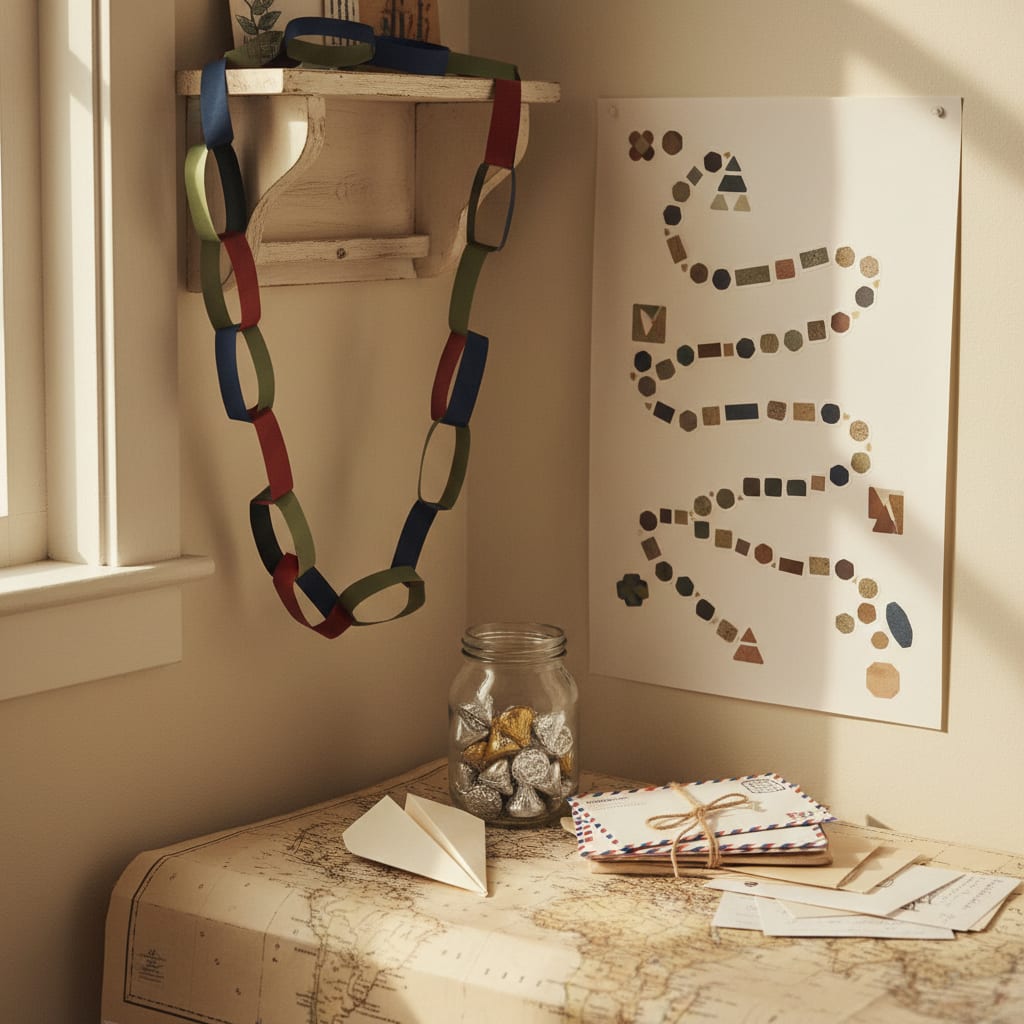
The best deployment countdown ideas are physical, kid-operated, and forgiving: a paper chain with a link torn off each night, a kiss jar with one chocolate kiss per day left, a map with string creeping toward home, or a countdown calendar the kid stamps themselves. Little kids can’t hold “seven more months” in their heads — they need time made visible and shrinkable. Pick ONE countdown, make the kid its official operator, and tie it to the same moment every day (bedtime is the classic). Here’s the full menu, sorted by age and by how much craft-project energy you actually have.
Why countdowns matter more than they look
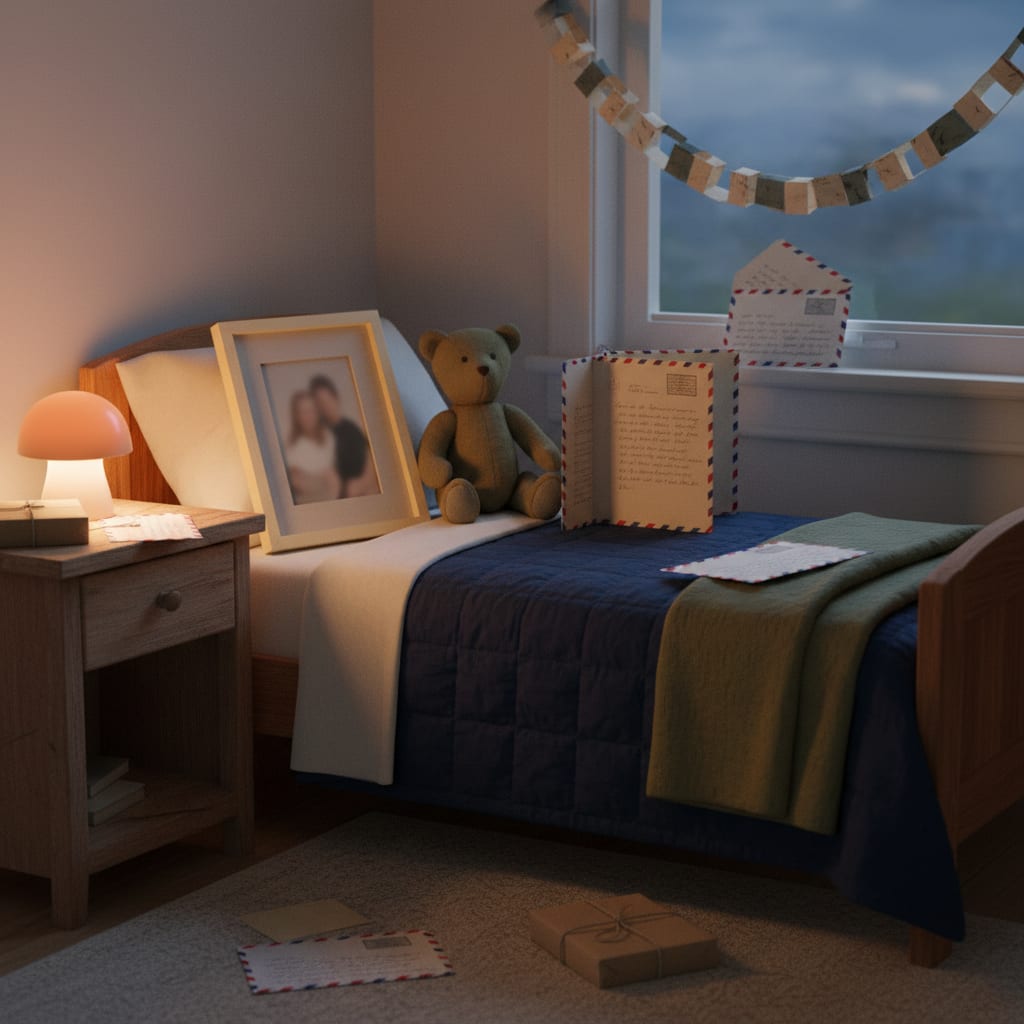
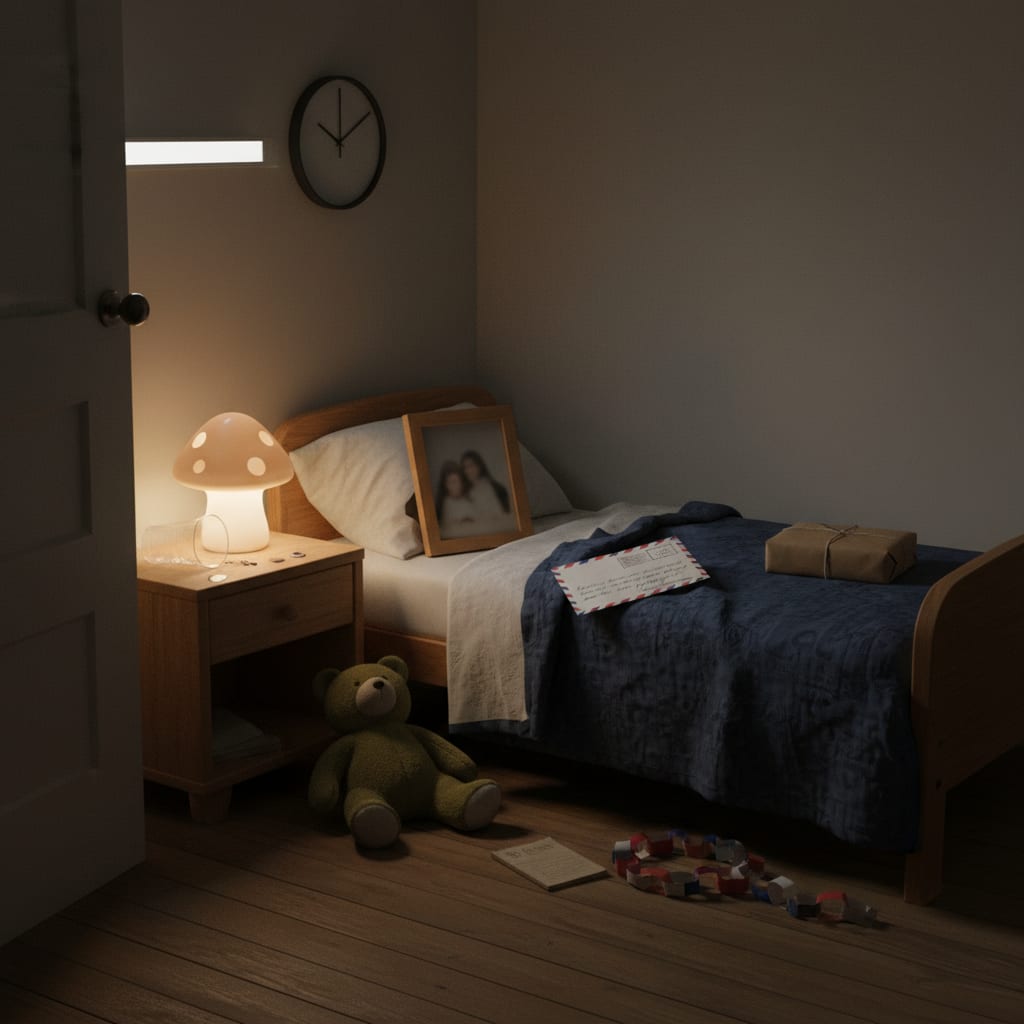
A countdown converts an unbearable abstraction — “a long time” — into a stack of small, finishable days. That’s not just cute; it’s how young kids process duration at all. It also hands them control in a season where they have none: nobody asked a four-year-old whether Dad should leave, but the four-year-old is absolutely in charge of tearing tonight’s paper link. In our house the countdown ritual slots into the bedtime routine right before books, which keeps the whole machine steady — the same logic that runs the entire deployment guide for dads.
The classics (low effort, high mileage)
- Paper chain. One link per day, torn off at bedtime. Costs a pack of construction paper. Make the links big enough for toddler fingers, and hang it where the shrinking is visible from the breakfast table. Write occasional surprises inside random links — “donut day,” “call Grandma” — and the tearing becomes an event.
- Kiss jar. A jar with one chocolate kiss per day of the deployment; the kid eats one at bedtime and watches the jar empty toward homecoming. Pro tip from a man who learned it the hard way: keep a backup bag hidden. Jars get raided.
- Countdown calendar. A big wall grid the kid X-es or stamps daily. Best for the five-and-up crowd who like officialdom; a date stamp makes anyone feel like a clerk of serious business.
- Sticker path. A winding path of blank circles from “Daddy leaves” to a drawing of home; one sticker per day. This is the toddler-proof option — no counting required, just progress you can point at.
The builds (for higher-energy weekends)
- Map and string tracker. A wall map, one pin roughly where the deployed parent is (keep it vague — region is plenty, and operational security is a real thing worth modeling), one pin at home, string between. Kids move a paper airplane or ship along the string as the weeks pass. Doubles as accidental geography class.
- Lego or block tower. One brick added per day; homecoming is when the tower reaches the ceiling, a line on the wall, or a set number. Satisfying for builders, and the finished tower makes a great photo with the returning parent.
- Paper-chain-in-reverse. Instead of tearing down, the kids ADD a link each day recording one thing to tell Dad — “lost a tooth,” “saw a snake.” By homecoming you’ve built a physical highlight reel of everything he missed, which beats trying to remember it at the airport.
- Photo countdown. Number cards counting down; take a picture of the kid holding each day’s number and send it. The deployed parent gets a daily photo stream, and the kid gets a nightly modeling gig.
Matching the countdown to the kid
Under three, go tactile and simple: sticker path or paper chain, operated with a parent’s hand over theirs. Preschoolers get the classic chain or kiss jar plus real ownership — it is THEIR jar, and woe betide the sibling who touches it (make one per kid; this is not a lesson in sharing, it’s a lesson in surviving). School-age kids can run the map tracker or the reverse-chain journal, and will often prefer the version that produces something to show Dad. Whatever you pick, weld it to a daily anchor — ours lives inside the bedtime sequence, and pairing it with a weekly ritual like family movie night gives the week a shape, not just the day.
When the timeline moves
It will. Extensions and early returns are both real, so build flex in from the start: keep a spare handful of chain links in a drawer, say “when the jar is empty it’s ALMOST time” rather than promising a date, and anchor the end to an event, not a number — “after the chain is gone, before the pool closes.” If the date slips, add links matter-of-factly, name the disappointment (“it’s okay to be mad; I’m sad too”), and keep the ritual going. The countdown’s real cargo was never the number — it was the nightly proof that the family is still moving toward the same day. Pairing the countdown with letters from the deployed parent covers the wobbliest stretches, because a letter can land exactly when the chain gets longer.
FAQ: deployment countdowns
What’s the best deployment countdown for a toddler?
A sticker path or big-linked paper chain, operated at the same moment every night with your help. Toddlers don’t need to understand the count — they need the ritual and the visible shrinking. Skip anything involving numbers or delayed candy.
Should you count down if you don’t know the exact return date?
Yes, but anchor the end loosely: count down to “almost time” or to a season (“before the pool closes”) rather than a circled date. Build the countdown a little long, and treat leftover links as bonus days of the ritual, not a broken promise.
What do you do with the countdown if the deployment gets extended?
Add the new links calmly and without ceremony, tell the kids the true thing in plain words, and let them be disappointed. The ritual continuing is itself the message: the plan changed, the family didn’t.
How do you make a deployment countdown for multiple kids?
One countdown per kid, always — shared jars and chains generate more conflict than comfort. Same style for fairness, separate hardware for peace. They can still gather for the nightly tear-and-eat as a group event.